






Eric Cherry on how harness racing needs to evolve
by John Berry
Part 1 of 2
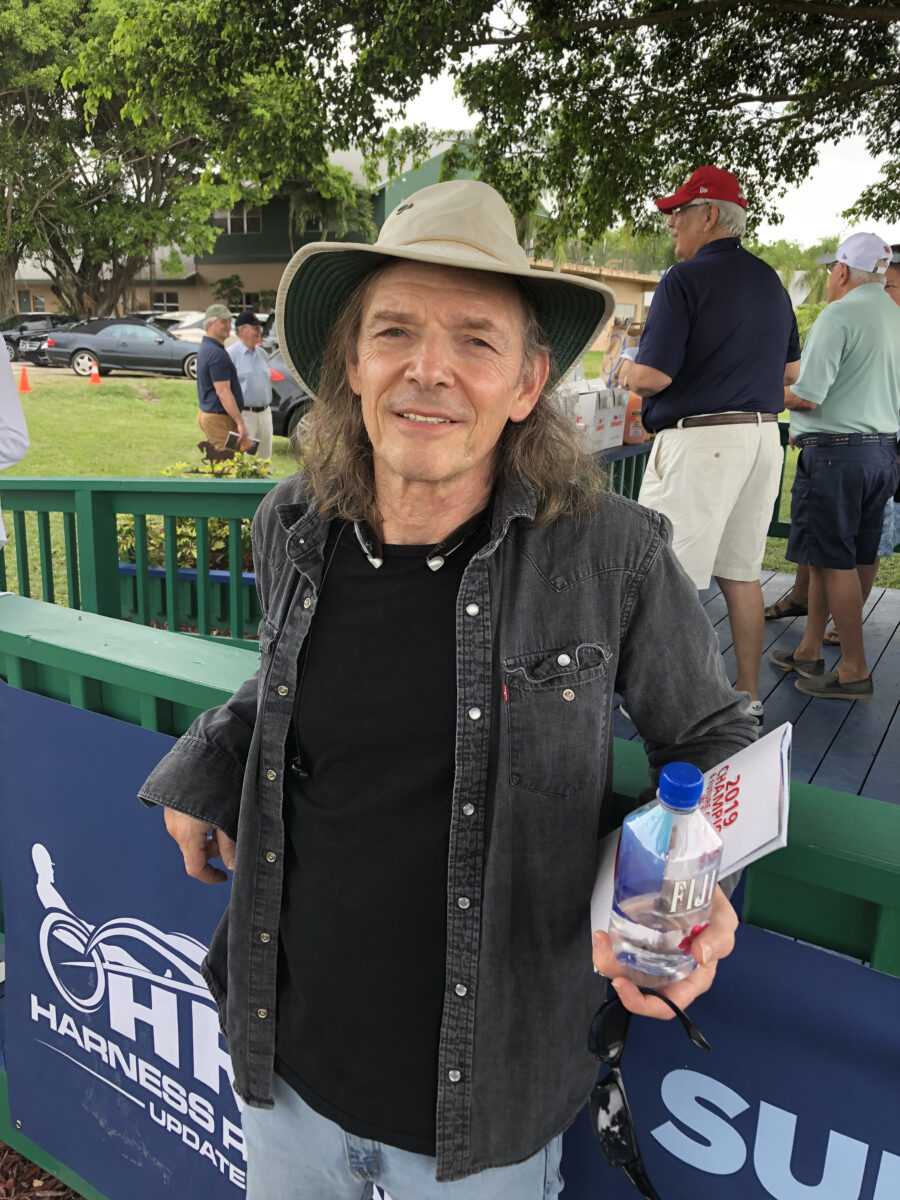
Eric Cherry has long been a participant of the harness racing sport and industry.
His innovations go back four decades to the National Raceline (before the internet took charge of up-to-the-minute results) to today’s revolutionary way of buying and selling horses via onGait, which has become one of the hottest sales companies in modern history.
He has been a vastly successful owner over the years, as well as a harsh critic of the sport, in an attempt to keep up with the “times” in our sport — and not just “times” on the racetracks of North America.
HRU had the opportunity to interview Cherry and get his views on what’s right in this industry but, even more importantly, what’s wrong in today’s harness racing environment with suggestions of bringing harness racing up to the times.
We all love harness racing but we’ve suffered through some very tough times over the past 50 years or so.
“Yes. We have suffered losses in attendance and handle and we’ve done little to stem those losses. And, I believe, time is running out as new forms of entertainment emerge, whether it be harness racing, any type of pari-mutuel racing, the lottery, casinos, prop betting, and any other form of entertainment, attempting to take a bite or two of the public’s expendable cash.
“Every day is critical — just let this sink in — we are closer to 2050 than 1950.”
That’s true. But our sport seems to need to do a lot more than just attract betting dollars. Don’t you think we need programs that reach farther than the betting dollar?
“Absolutely. Of course, we need to promote our sport. We have a vehicle to provide wonderful entertainment — family entertainment — that creates jobs, both directly and indirectly, between the veterinarians, caretakers, suppliers, and transportation personnel.”
Look at Oak Grove and their outreach to their surrounding communities. In cooperation with the United States Harness Driving Club, on their charity donation days; they draw an extra 30-40 people of all ages getting backstretch tours, starting gate rides, visits to the announcers booth and more along with the winner’s circle presentation and check presentation. Put a few of those together and you’ve got a crowd at the track.
“Yes, It’s the trickle-down effect reaching the people that are vital to our sport and economy.”
Farms, too.
“And farms are a way to create green space and that, in turn, creates the job that we need to fulfill the needs of this industry. We create the jobs that are vital to the farm and the economy.”
What’s your take on all of the multiple-leg wagers? Personally, I think we have too many of them to do us any good. It’s stretching the pari-mutuel pools very thin.
“I think you’re correct in your views here and I believe it is hurting long-term handle. Placement of these wagers is the key here.
“It’s fine to have some early in the card and some late in the card, however, if a bettor is ‘alive,’ they may sit on the sidelines to see how far they go.
“The problem is that there is only one takeout, whether it’s three, four or five legs, or, maybe, even more.”
So, what’s your solution?
“Well, one option is to let the bettor choose their own customized parlays in as many races as they choose. We can afford to give a five per cent to 10 per cent premium compared to betting those races individually.
“This way, we can take multiple takeouts instead of just one.
“It gives the bettor the flexibility of playing the races in which they are interested.
“Look at the stock market; look at most of the other sports industries. They have evolved, harness racing has not done enough.”
What might be some other innovative ideas to improve our sport?
“Well, I’ve seen some of your suggestions — like the saddle pad extension to solve the whipping situation and things like that — but the things I am suggesting are geared to the betting public.
“First, block the tote board from the driver’s view. Some drivers admit that they calculate their chances of winning by looking at the tote board instead of studying the program to drive their entries accordingly.
“Another may be not printing the morning line in the program.
“A solution for that might be to highlight the three possible favorites — but not in order.
“Also, do not allow the drivers to lean back until they are at the top of the stretch or if no other horse is behind them.
“We need tighter fields as many positions in the order of finish are decided by less than a foot; that’s less than 12 inches.
“This will tighten the field and the competitive nature of the race.”
I have suggested that, if a redraw becomes necessary, one pill is drawn and all horses move out one post position. This would eliminate the possibility of a horse that drew the rail before the redraw getting the 8- or 9-hole, and that was soundly defeated.
“Here’s another one, have drivers decide which horses they will drive before post positions are drawn. I think that would create more competitive racing. Also, enforce a rule that drivers who pull outside must go forward.
“Many try to fish out some cover and clog the flow. Give ’em three or four seconds to go and, if they don’t go, they are on their own and subject to a penalty.”
What kind of penalty?
“Well, if a driver gives another a hole in the first three-eighths-of-the-mile, they have their three or four seconds to pull and go forward themselves or they are fined the equivalent of five per cent of the winner’s share of the race.
“If they want to be polite and non-competitive, they should stay home.
“It’s a bad look for the bettors if they make a bet on a horse that isn’t given a chance.
“And one other thing, in maiden races, have the winner take 100 per cent of the purse, the whole thing.
“This will stop trainers from milking a class by finishing second or third all the time.
“This serves two purposes: The first is to give the owner a shot in the arm economically, and the second would protect the bettors from owners and trainers trying to finish second or third.”
Cherry has plenty more to say on making harness racing more exciting for our most precious commodity — the bettor — and we’ll cover those thoughts in Part 2.
May The Horse Be With You!
Stay on top of all harness racing news.
Join the HRU mailing list, free.