


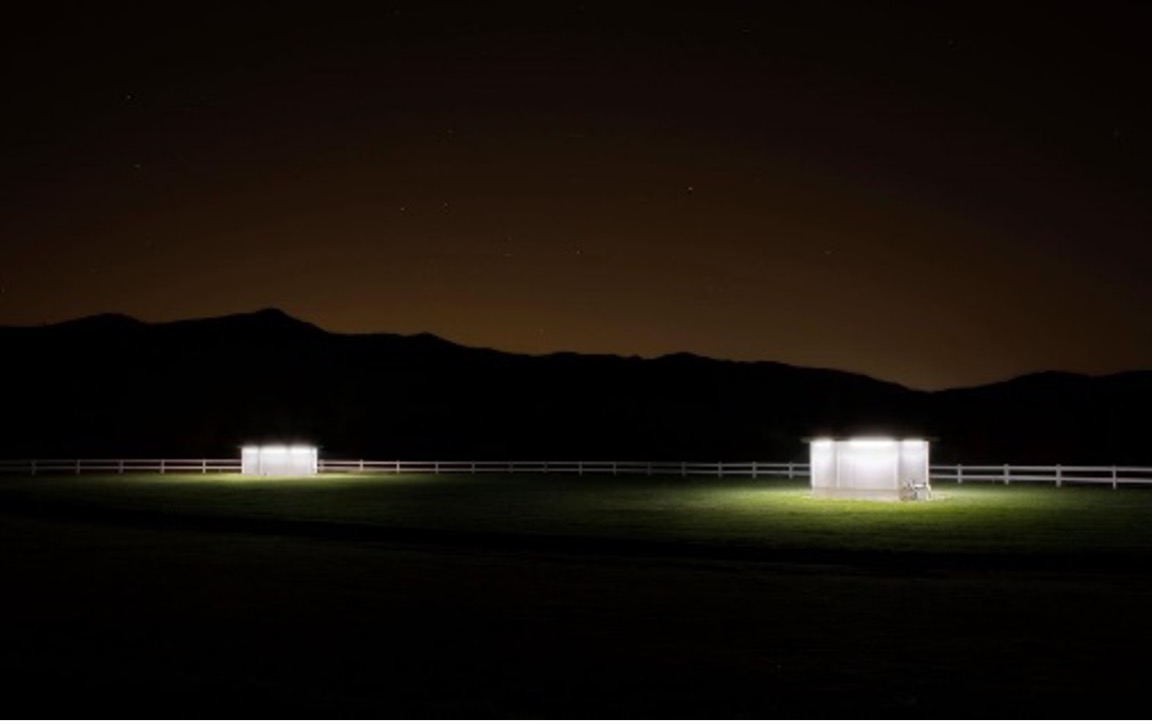
Who will turn the lights back on?
by Trey Nosrac
The lights went out at Rideau Carleton in March. Another racetrack slips quietly into the past. The Ottawa, ON track, which I once had the pleasure of visiting, joins a heartbreaking list:
Rideau Carleton — March 2026
Fraser Downs — Aug. 15, 2025
Cal-Expo — May 2, 2025
Freehold Raceway — Dec. 28, 2024
Pompano Park — April 17, 2022
Michigan and Illinois have their own list of ghost racing ovals.
Racetracks where hooves once pounded down the lane are empty grandstands or real estate for another business. The trend is discouraging. The heartbreak is real. Chances are good you’ve had that feeling where someone has taken something you loved.
Other businesses I cared about have disappeared. Magazines folded. Franchises lost. Projects that felt permanent… weren’t. The lights go out.
Our first instinct is to find someone to blame. Track management. Regulators. Horsemen. The government. The weather. The younger generation. The older generation. The internet. Politics. People blame the parking situation, but the last time I visited a racetrack, parking was not a problem.
Racetracks don’t die from villains. They die from math and algorithms. They die from competing businesses. They die from unfavorable politics. They die from social and economic trends. They die from demographics. They die from competition.
The lights going out is business as usual. The numbers don’t work, and one day, someone looks at a spreadsheet and makes a decision that feels like betrayal but is really just arithmetic.
The darkness hurts like hell and leaves an ache that never completely goes away. Rideau Carleton won’t be the last. More venues where trotters and pacers circle a half-mile oval today will one day exist only in stories told by people who start sentences with, “You should have seen it back in…”
Who can do anything to stop the bleeding?
No rescue parties are galloping our way. Neither the state nor the national government has a solution waiting in the wings. There isn’t a new wave of horse gamblers about to flood the grandstands and log into the ocean of gambling products. There isn’t a secret plan tucked away in a desk drawer marked, “Open when things get bad.”
Recently, this space has been more unusual than usual because I have been posting columns for an audience of six. Interviews, writing, buying, selling, and raising foals brought me to the barn doors of a wonderful bunch of folks in the harness racing business. I do not know many personally; they may not even remember me. But I remember them.
Before starting these rambles about private leagues, non-gambling models, smaller and more controlled environments, I made a list of six people who crossed my path who seem to have the money, an entrepreneurial spirit, a deep love of the sport, and who are not afraid to march to their own drum. If they had the desire, they could try to build a new model of our old sport.
People of this ilk are our best hope. Not committees, commissions, or subcommittees that meet quarterly and produce a report no one reads will rescue us. Big changes in niche industries rarely come from large groups. They come from one or two individuals willing to look a little foolish.
Alas, my outlandish suggestions have yet to find purchase in any of those six fertile minds.
It’s understandable. Doing something new outside the traditional track is risky business. Not just financially, but socially. You risk being wrong. You risk being criticized. Doing nothing is the safer play. Let the system run. Let the tracks stand as long as they can.
If something different is going to happen, it will come from a person who can imagine a different model. Smaller. Private. Detached from the gambling dependency. Built around participation, ownership, community, and the simple joy of competition. A person who decides to roll the dice and purchase a large track of virgin land, build barns, a racing oval, maybe a hotel, and of course, fill the barns with racehorses.
We need a person to turn the lights back on.
Stay on top of all harness racing news.
Join the HRU mailing list, free.