




Artie and me go shopping, Part 1
by Trey Nosrac
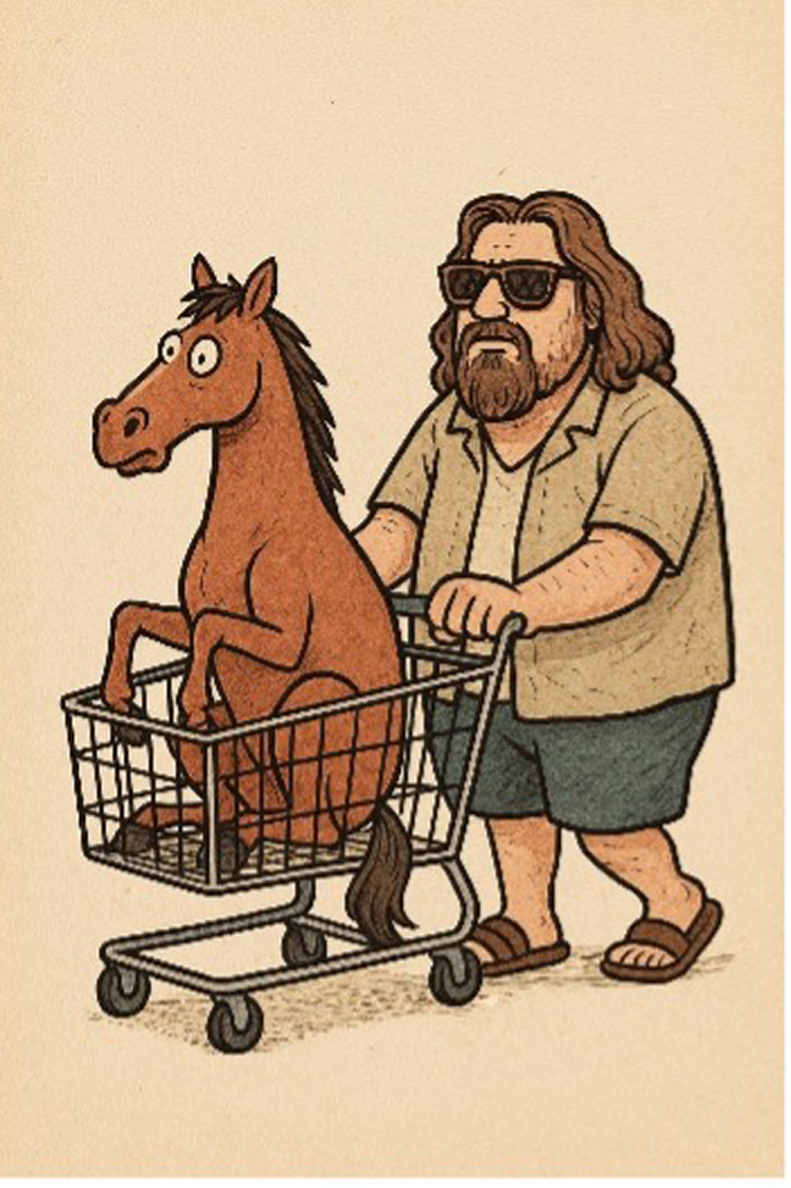
Trey occasionally initiates a vein to mine and reports on the experience in real time. This column outlines one of those true-life instigations in the harness racing universe, leading to an unknown destination.
Like many, Trey believes he is an astute shopper for yearling racing prospects. Simple math and economics prove otherwise. This year, his plan will employ a professional to assist in yearling selection. The assistant is under 5 years old, has no face, and was remarkably friendly in a preliminary discussion. The formal name of the assistant is ChatGPT5, a form of artificial intelligence, but we will refer to the entity as Artie. Artie and Trey are embarking on a true adventure: part experiment, part Seinfeldish skit, part hold my beer, and completely unpredictable. Our destination is a sales arena and ownership of a yearling.
First, a little background. Each year, Trey and a pal purchase a yearling or two. We are not big players; our comfort range for a yearling at auction is $15-20,000, but like many, we are subject to auction fever. We are flexible about which state racing program we participate in. We have purchased yearlings in Ohio, New Jersey, Pennsylvania, and are interested in Kentucky.
Some buyers arrive at an auction like the Ohio Select Yearling Sale with well-thought-out plans, bloodstock agents, ownership groups, charts, measuring sticks, and reams of data. Trey feigns knowledge, and arrives with hunches, four-leaf clovers, and crumpled lists on notebook paper. This season, before my hand goes up, and my bank balance goes down, Trey will have several chats with Artie and more data in his search for a young racing star.
Consider this your invitation to follow us in our quest. The plan is to ask Artie questions and describe my thought process to Artie. My new inhuman friend will validate or reject my preconceived prejudices. Together, we will arrive at a short list of bidding options.
A rough draft of topics we will cover:
• Basic parameters
• Analyzing pedigrees
• Assessing market values
• Reviewing horse conformation
• Bidding suggestions
It is not easy to predict where this new road will lead. Like a writer approaching a person for an interview, you have a rough idea but aren’t sure exactly what the subject will say, how deep they want to go, how much they will reveal, or if they will feel comfortable sharing the information.
The columns in this series will be a running diary of how we narrow down the field for this sale. Another series may follow if we do not successfully purchase a yearling at this sale. You are welcome to follow our conversation threads, download files with relevant information, chuckle at my stupidity, and marvel at Artie’s abilities. Veterans of the yearling sales wars may find some new tools and resources. New potential customers or visitors may get an enjoyable glimpse at the decision-making process between a human and a machine.
At some point, Artie may say, “Filly #112 has a 37.5 per cent probability of exceeding his sire’s median earnings; the maximum bid should be $12,000.” Trey may answer, “Yeah, but #112 nibbled on my tee-shirt and has a white splotch on her forehead that looks like the letters – O and K. Plus, her name, The Dudette, totally rocks, so I’ll go 20.”
Trey might even run a reader poll or some other unusual contest. Artie alerted me that the sale catalog is out. He has already sniffed around sire stats and Ohio Sires Stakes history. Trey bought a new Ouija board, checked out funding resources, and has questions about how AI can benefit our sport.
Next week, we get real and begin down a road not traveled.
Stay on top of all harness racing news.
Join the HRU mailing list, free.